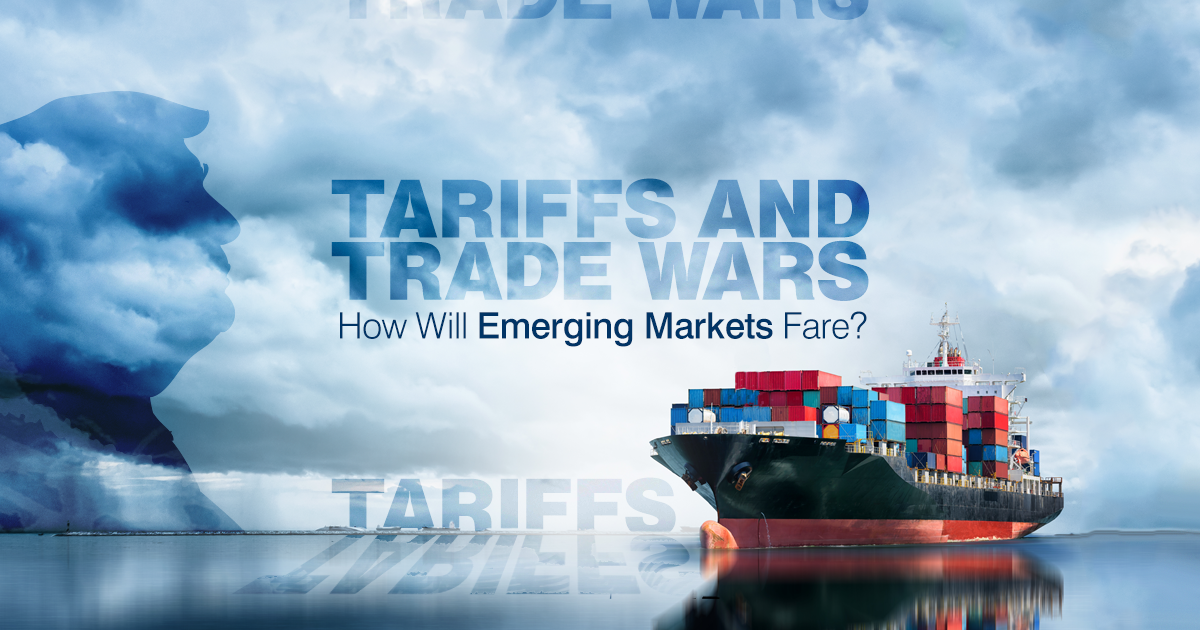
In 2018 President Donald Trump had blasted his trumpet on trade, tariffs and sanctions. Since then, many industrial countries trading with the United States have been on edge. He has imposed high tariffs on some and sanctions on others. But the escalation of this trade dispute could well be counterproductive.
Tariffs are used to limit imports by increasing the cost of merchandise and services that are bought from overseas, thereby making them less likable to local consumers.
Two types of tariffs exist: ad valorem tax, which is a percentage of the value of the imported goods; the other one is a tax levied based on a set fee for the weight or the number of items. The two most popular items that are being taxed in this current trade dispute are aluminum and steel.
Some of the countries being impacted by the U.S. tariffs or sanctions include Russia, Iran, Turkey, Mexico, Canada and the European Union to name a few. But sanctions imposed on Iran are toxic and vindictive; the tariffs imposed on Turkey are literally political; those imposed on China, although politically motivated, are more relevant. The fact is that China has a big trading surplus with the United States, and it fails to respect intellectual property rights.
In other words, tariffs are by their very nature a gamble. They have their pluses and minuses. The ultimate benefit of tariffs is to reduce imports and increase the demand for domestic goods. In this case, tariffs are a win-win for domestic businesses from reduced competition and increased federal tax revenue.
The disadvantages of tariffs result in similar imported goods being more expensive in the market than domestic ones. But the worst of all is their counterproductive effects; countries being under the weight of tariffs often retaliate.
Unlike a wrestling match where one wrestler got pinned down and the other wins, the imposition of tariffs on countries results in a no-win situation. The outcome is simply a draw with some economic bruises. Sanctions, on the other hand, are punitive. But collective retaliation of countries being pinned down by America could eventually lead to its demise.
Several major countries are already in the process of opting out of the U.S. dollar as the world exchange currency, citing concerns that further use of the U.S. dollar would add more fuel to the American hegemonic expansionism and militarism around the world. Those countries are, for example, the BRICs (Brazil, Russia, India and China) Turkey, Iran, Venezuela and likely some of U.S. own allies.
Tariffs are a tit-for-tat game for commercial leverage. Likely “the sword of Damocles” is hanging above Trump’s head to show him the problematic nature of his international trading sensation.
If the United States was willing to do away with all those tariffs and sanctions, it would have to choose preferably the path of a constructive dialogue with its trading partners. Then, a fair resolution to the trade dispute would have been achieved; America and all the countries involved would have managed to pull off colossal benefits. But if no breakthrough is reached, then what?

 Hubert Odias